KAPACERT / TECHNICAL INVESTIGATIONS

Technical investigations.
Understanding the facts.

Judicial technical investigations, safety assessments and accident investigations.

Explore the subject
01Judicial investigations02Safety03Accidents04Industrial property
KAPACERT / TECHNICAL SERVICES04
Technical investigations
See moreKAPACERT
01

The scope of technical investigations


TECHNICAL INVESTIGATIONS
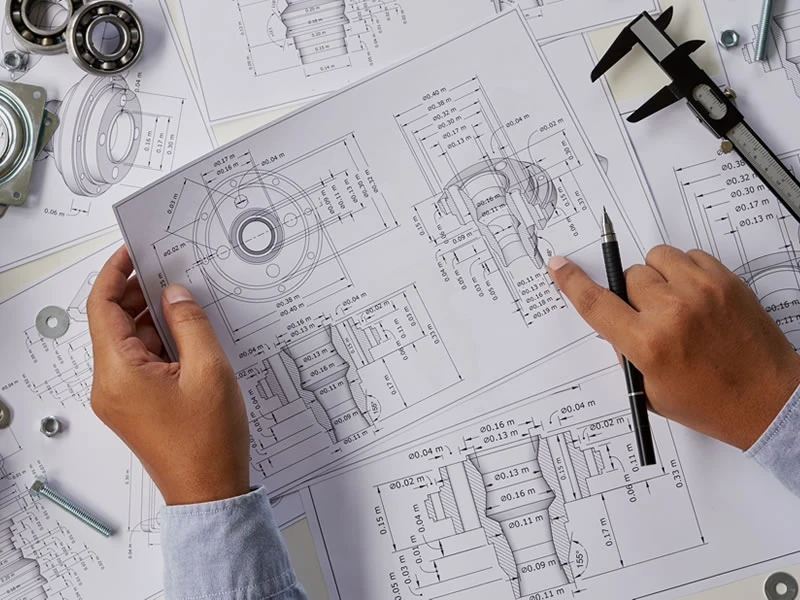
KAPACERT has been operating for years in the accident prevention and workplace safety sector with experience in the field of Technical Consultancy in the mechanical sector and in the criminal field for Courts and Prosecutor's Offices, also collaborating with Law Firms. We operate with technical consultancy in the following sectors:
- Road accidents
- Accidents at work
- Machinery and systems
02Technical consultancy in disputes
Party Technical Consultancy
The role of the Party Technical Consultant, is precisely that of providing his consultancy work for the parties involved who believe they want to add another opinion; furthermore, he has the task of monitoring that all operations are carried out in the most timely compliance with current regulations.
03Industrial property investigations
Technical consultancy on industrial property
KAPACERT's industrial property consultants have gained long experience in the extrajudicial management of industrial law issues and are able to provide technical assistance dedicated, in particular, to the defense of rights throughout the world.
Our technical consultancy on industrial property offers a complete protection service because it makes use of professionals specialized in the drafting of:

- Authoritative opinions on infringement or validity of patents;
- Partial technical consultancy;
- Office technical consultancy.
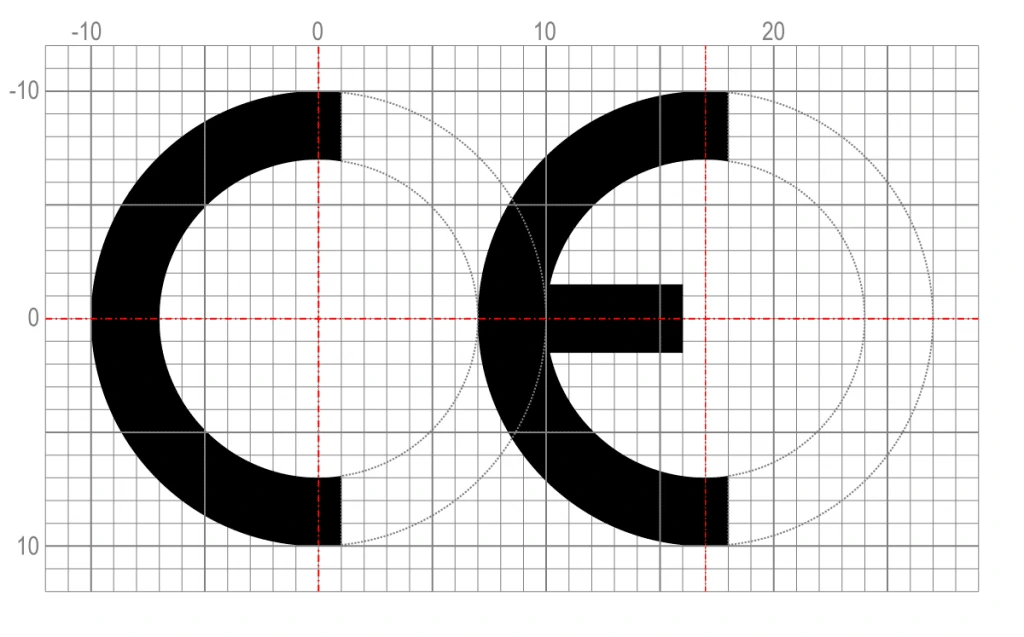
04CE certification and safety requirements

Expert assessments for CE certification

Shortcomings in essential safety requirements. When analysing the safety of a machine or item of work equipment, a consistent and precise process should be followed:

  • Identify the applicable European directives.
  • Check that the marking, declaration of conformity and instructions are correct, complete and written in the user's language; untranslated documentation, for example in German, is often encountered.
  • Verify that the essential safety requirements are met.
Technical investigations